
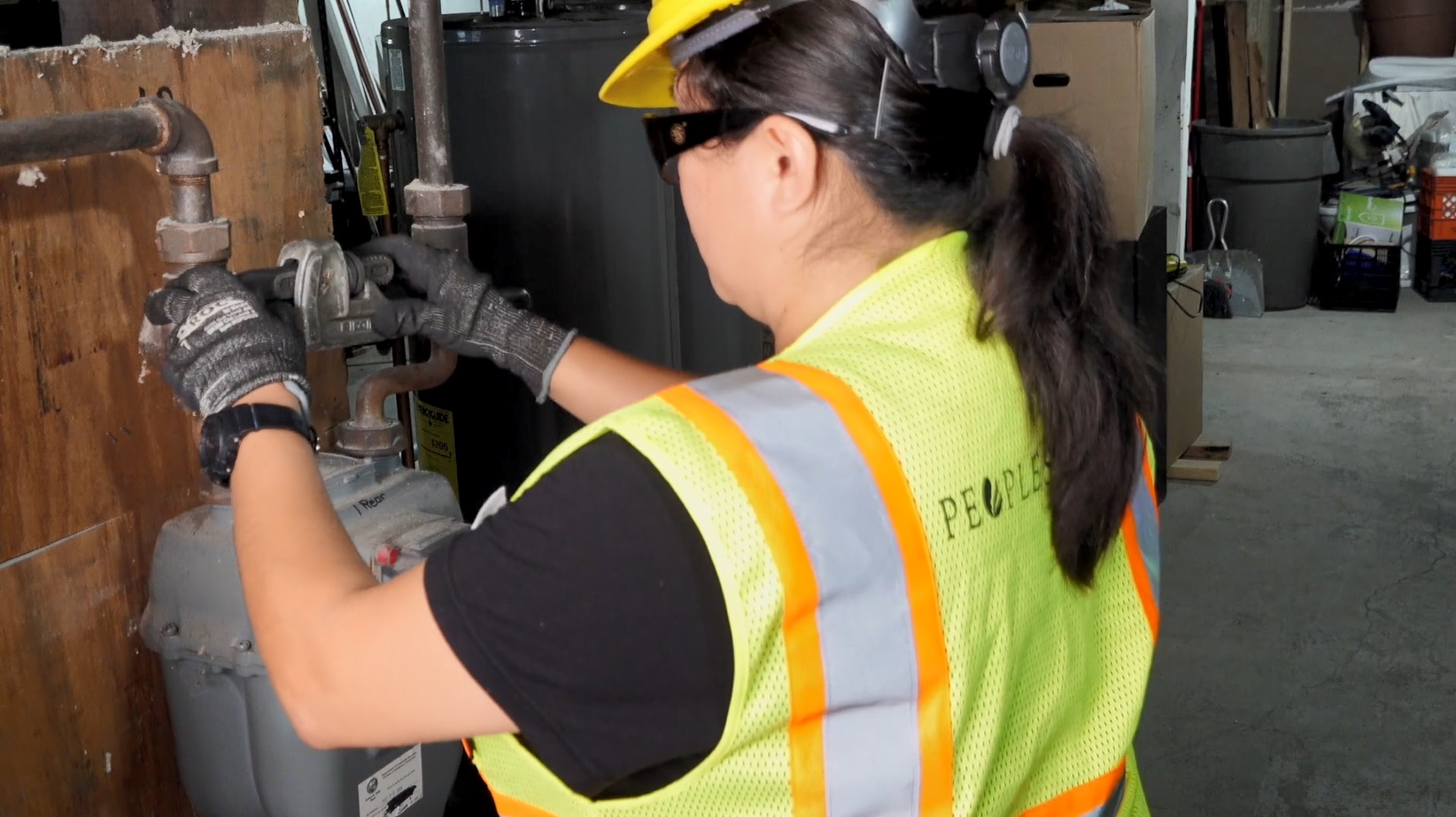
Illinois has deregulated its energy market. This lets consumers choose from a variety of providers that supply electricity and Northshore Gas. They can also look at plans and prices to find the best deal.
A number of states have liberalized their energy markets. These markets allow people to look for a plan for their electric needs and choose the provider that is best for them. Many of the largest power companies in the nation are based in Illinois. However they aren’t the only options available to energy users.
Illinois has numerous private and public institutions that promote energy efficiency and renewable energy. One of them is the Energy Resources Center (ERC). ERC is part of University of Illinois at Chicago. It helps both public and private institutions increase their efficiency in energy use. It also offers an incentive database of financial incentives to encourage efficiency and renewable energy programs in Illinois.
Another group is the Illinois Clean Jobs Coalition. This coalition supports the state in its efforts to create jobs in the green sector and to make Illinois 100% clean energy by 2050. The coalition also forwards messages to legislators. The coalition is currently working on a bill in the Senate. It would significantly increase the requirements of Illinois for efficiency and renewable energy sources if approved.
There are many financial incentives that are available to Illinois to improve energy efficiency. The Property Assessed Clean Energy Financing program offers loans for energy efficiency projects. The Illinois Energy Consortium also helps schools cut their energy bills. The Climate and Equitable Jobs Act is a law that aims at ensuring equitable state investments in energy efficiency and renewable sources is also in place.
The Illinois Solar for All program is another important energy policy in Illinois. This program allows low-income families to get solar panels. The Illinois Energy Commission recently updated its Energy Efficiency Policy Manual. This manual is meant to assist utilities in the implementation of energy efficiency programs.
Other initiatives in Illinois include the Low-Income Energy Efficiency Accountability Committee (LIEEAC) and the Energy and Environment Marketing Agency (EEMA). These groups advise the state government on technical matters in relation to energy efficiency programs. They seek to reduce the cost of energy and increase the production of renewable energy in Illinois.
Illinois is working to transition from a linear economic system to an e-commerce model. The state’s energy industry has witnessed significant changes. There are many new suppliers who are entering the market. The majority of retail providers offer renewable or partially renewable energy plans.
There are also several research centers that concentrate on energy efficiency in the state. They include the University of Chicago’s Energy Resources Center, and the Engineering Solutions Group. Both of these groups utilize computer modeling to identify opportunities to improve efficiency. They also consult with their clients and city agencies to develop efficient strategies.
The Illinois Energy Consortium is one of the largest sources of energy for schools and colleges. Its members comprise 30% of all Illinois public school districts as well as colleges. In addition, the group provides consolidated billing options and annual budget forecasts.
